
gypsum usage in cement industry manufacturer Grasping strong production capability, advanced research strength and excellent service, Shanghai gypsum usage in cement industry supplier create the value and bring values to all of customers.
 WhatsApp)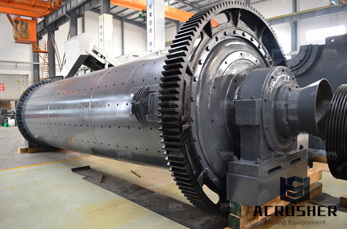
Gypsum boards or plasterboards are typical materials used to build light walls. The production process is based on gypsum hydration technology. At the very beginning of the process dehydrated calcium sulfate (gypsum) is converted into CaSO 4 ·0.5H 2 O by heating. Once dehydrated, gypsum is mixed with water, starch, a ing agent, and other additives.
Synthetic gypsum, namely FGD (flue gas desulfurization) gypsum – a by-product of coal-fired energy production – is already widely accepted as a replacement for natural gypsum in many settings, including use as a soil amendment, in glass manufacturing, cement products, and more. This not only provides a readily available, cost-effective ...
Key Words: anhydrite, gypsum, clinker, cement 1.INTRODUCTION As it is well known, the workability property of cement solutions depends on reaction rate of C 3 A with water and to justify this, retarder raw materials are used. In cement industry, natural gypsum (CaSO 4 ·2H 2 O) is the most effective raw material for this purpose.

The Portland Cement Association (PCA) has been reporting alternative and waste fuel usage in the U.S. cement industry since 1977. During that period, the share of alternative and waste fuel usage has increased from minor amounts to 16 % of all fuel use in the cement industry in 2016.
Usually gypsum is used in low quantity (about 5%) in order to control the setting time of cement and control C3A. Adding more gypsum will affect the quality of cement and tits setting time.
Gypsum is a soft sulfate mineral composed of calcium sulfate dihydrate, with the chemical formula CaSO 4 ·2H 2 O. It is widely mined and is used as a fertilizer and as the main constituent in many forms of plaster, blackboard/sidewalk chalk, and drywall.A massive fine-grained white or lightly tinted variety of gypsum, called alabaster, has been used for sculpture by many cultures including ...

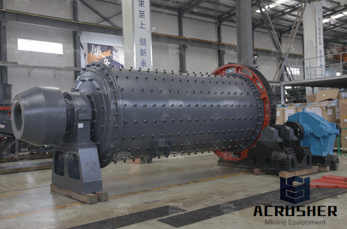
The cement industry is a natural producer of CO2: ... Clinker and gypsum for OPC, limestone for limestone cement, and slag for slag cement are all extracted from their respective hoppers and fed to the cement mills. The ball mill grinds the feed to a fine powder in two .
As of 2012, according to the American Coal Ash Association (ACAA) data, approximately 50 percent of the CCRs beneficially used on an annual basis falls into two categories: 1) fly ash used as a direct substitute for Portland cement during the production of concrete (referred to as "fly ash concrete"); and 2) FGD gypsum used as a replacement for mined gypsum in wallboard (referred to as "FGD ...
US Cement Industry Announced Expansions: –2007 2,430M metric tons –2008 7,400M Metric tons –2009 2,550M Metric tons. Cement Clinker Chemistry (CaO) 3.SiOSiO ... Use of FGD Gypsum in Cement Production Keywords: FGD,Gypsum,cement,Mcfalls Created Date: 10/29/2007 4:51:39 PM ...

Uses of Gypsum. Gypsum uses include: manufacture of wallboard, cement, plaster of Paris, soil conditioning, a hardening retarder in portland cement. Varieties of gypsum known as "satin spar" and "alabaster" are used for a variety of ornamental purposes; .
A not-for-profit trade association founded in 1930, promoting the use of gypsum while advancing the development, growth, and general welfare of the gypsum industry in the United States and Canada on behalf of its member companies

Gypsum concrete is a building material used as a floor underlayment used in wood-frame and concrete construction for fire ratings, sound reduction, radiant heating, and floor leveling. It is a mixture of gypsum plaster, Portland cement, and sand.
Jul 13, 2020· Donn Saylor Last Modified Date: July 13, 2020 . Gypsum cement is a type of plaster made primarily from gypsum, a soft mineral comprised of calcium sulfate dihydrates. Due to its strength, durability, and capacity to hold a polished shine, this plaster is used for several different purposes, including drywall, flooring, ceilings, and in the creation sculptures, statues, and effigies.
FGD Gypsum Use in Cement - acaa-usaorg. FGD Gypsum Use in Cement Worldwide Cement Production #1China #2India #3United Stat US Cement Industry 39 Companies 118 Cement Plants 38 States 105 MM Metric Tons Consumed 25 MM Metric Tons Imported US Cement Industry Announced Expansions: –2007 2,430M metric tons –2008 7,400M Metric tons –2009 2,550M Metric tons Cement .
Feb 01, 2020· Generally Gypsum having purity more than 80% as CaSO4.2H2O is considered suitable for mentaining SO3. If Gypsum having very Low purity can cause high innsoluble residue in cement and decrease the strenght due to high caly content. However high purity of gypsum ~88.0% is ideal.But u should count C3A in cement before deciding SO3 target. Reply
Gypsum although a much older material than the cement & sand plaster has rarely been used extensively in construction industry. Now a days, Gypsum has proved to be a miraculous material aiding interior construction due to its properties.
Gypsum is a mineral and is hydrated calcium sulphate in chemical form. Gypsum plays a very important role in controlling the rate of hardening of the cement, so its is generally termed as retarding agent of cement. It is mainly used for regulating the setting time of cement and is an indispensable component.

Gypsum and Cement Production - two elementary building materials Cement is used everywhere imaginable: for example, as a binder for concrete, mortar or screed, making it one of the world's most important building materials. If we just consider concrete, most of our infrastructure and architecture simply wouldn't be conceivable without it.
Up to 2007-08, the Indian cement industry met their gypsum requirement predominantly from natural gypsum sources in Rajasthan and the by-product gypsum from industrial sources. However, such sources for gypsum peaked and stagnated and the incremental requirement was met by imports, mainly from Thailand and .
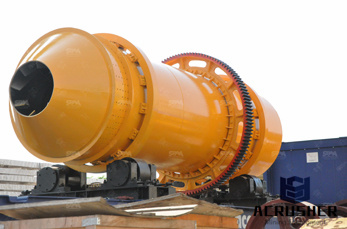
What is Gypsum? Gypsum is a naturally occurring mineral mined from deposits formed by ancient seabeds as a raw material. Composed of calcium sulfate and water, it is used for a variety of manufacturing, industrial, and agricultural uses. Its color...
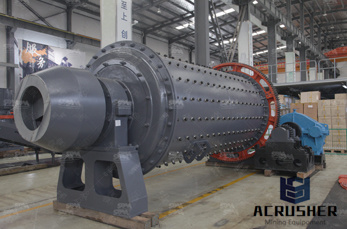
Uses of Gypsum Gypsum uses include: manufacture of wallboard, cement, plaster of Paris, soil conditioning, a hardening retarder in portland cement. Varieties of gypsum known as "satin spar" and "alabaster" are used for a variety of ornamental purposes; .
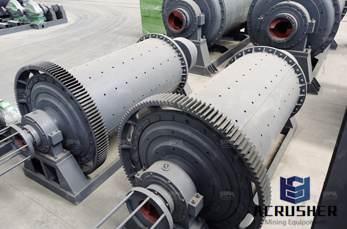
Gypsum plays a very important role in controlling the rate of hardening of the cement. During the cement manufacturing process, upon the cooling of clinker, a small amount of gypsum is introduced during the final grinding process.Gypsum is added to control the "setting of cement".
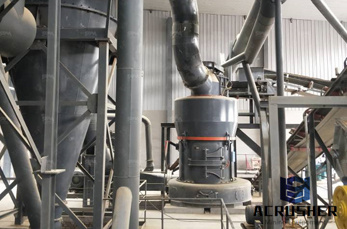
For the manufacture of drywall and plaster material the mined gypsum is used as the raw material. Synthetic gypsum is used in more amount for manufacture. The wet limestone which is a combination of calcium and water, when combined with sulfate forming calcium sulfate or gypsum is called as a chemical gypsum or synthetic gypsum.

The terms cement and concrete are used interchangeably, although cement is actually an ingredient of concrete. Gypsum is often added to cement and concrete to slow down the drying time. Cement dries quickly and retarding that process allows workers to pour the mixture into the various forms or frames needed. Video of the Day
WhatsApp)
 Online Chat
 Sales Hotline