
types of coal with references manufacturer Grasping strong production capability, advanced research strength and excellent service, Shanghai types of coal with references supplier create the value and bring values to all of customers.
 WhatsApp)
A. The primary difference between Class C and Class F fly ash is the chemical composition of the ash itself. While Class F fly ash is highly pozzolanic, meaning that it reacts with excess lime generated in the hydration of portland cement, Class C fly ash is pozzolanic and also can be self cementing.
Anthracite, often referred to as hard coal, is a hard, compact variety of coal that has a submetallic luster. It has the highest carbon content, the fewest impurities, and the highest energy density of all types of coal and is the highest ranking of coals.
Coal is a combustible black or brownish-black sedimentary rock, formed as rock strata called coal seams.Coal is mostly carbon with variable amounts of other elements; chiefly hydrogen, sulfur, oxygen, and nitrogen. Coal is formed when dead plant matter decays into peat and is converted into coal by the heat and pressure of deep burial over millions of years.
all types. Coal is common among the sedimentary rocks of some types of basins but may be a minor constituent of, or entirely lacking in, other types of sedimentary basins. The geologic history of a basin determines (1) whether coal is present or not, and (2) the physical and chemical character
appendix a: additional untreated and treated acid mine drainage wastewater characterization data . appendix b: draft acid mine drainage treatment cost module:
Solid fuel refers to various forms of solid material that can be burnt to release energy, providing heat and light through the process of combustion.Solid fuels can be contrasted with liquid fuels and gaseous fuels.Common examples of solid fuels include wood, charcoal, peat, coal, Hexamine fuel tablets, wood pellets, corn, wheat, rye, and other grains.
Coal, oil and natural gas are three main types of fossil fuels. Fossils fuels are combustible materials that are formed over millions of years by the decomposition of plant and animal life. Oil is extracted from the ground as crude oil and refined into products like gasoline, diesel and jet fuel.
Different coal types are all minerals and rocks made largely of carbon.This fossil fuel generates ~40% of the world's electricity and about 25% of the world's primary energy.However, not all coal used is the same; it comes in different quantity levels of carbon—which dictates the quality of the coal. Higher quality coal produces less smoke, burns longer, and provides more energy than lower ...

{{#Badges: CoalSwarm}} Colowyo Mine is a surface mine in Axial, CO, owned by the Colowyo Coal Company, a wholly-owned subsidiary of Rio Tinto.In its 2009 annual report Rio Tinto states that the "Colowyo Coal Company produces thermal coal in north west Colorado. The company intends to fulfil long term contracts with two power generators located in north west Colorado until 2017, with the ...

Metallurgical coal contrasts with thermal coal, which does not produce coke when heated. Because of their different end-uses, prices for the two types of coal are usually quite different. Metallurgical coal comes mainly from Canada, the United States, and Australia.. In the United States, the electric power sector used "93% of total U.S. coal ...
11.10 Coal Cleaning 11.10.1 Process Description1-2,9 Coal cleaning is a process by which impurities such as sulfur, ash, and rock are removed from coal to upgrade its value. Coal cleaning processes are categorized as either physical cleaning or chemical cleaning. Physical coal cleaning processes, the mechanical separation of coal from its
Coal is created from plants buried under water and dirt. Heat and pressure turn the plants into coal, a mineral. Coal is classified into four types; anthracite, bituminous, sub-bituminous and lignite. Bituminous coal is the most abundant from of coal in North America, according to Britannica Online (Reference 4).

Within the coal mining industry, this type of coal is known for releasing the largest amounts of firedamp, a dangerous mixture of gases that can cause underground explosions. Extraction of bituminous coal demands the highest safety procedures involving attentive gas monitoring, good ventilation and vigilant site management.

There are four major types (or "ranks") of coal. Rank refers to steps in a slow, natural process called "coalification," during which buried plant matter changes into an ever denser, drier, more carbon rich, and harder material. The four ranks are:
Capital Expenditures (CAPEX): Historical Trends, Current Estimates, and Future Projections. Coal power plant CAPEX is taken from the AEO2019 Reference Scenario with the adjustments discussed in the CAPEX definition section. The ATB includes only a single CAPEX projection for each type of coal plant.
Coal classification, any of various ways in which coal is grouped. Most classifications are based on the results of chemical analyses and physical tests, but some are more empirical in nature. Coal classifications are important because they provide valuable .
There are four main coal types: lignite, sub-bituminous, bituminous and anthracite. Here's a look at their characteristics and uses. Found in the earth's crust, coal is a fossil fuel that is ...
Anthracite is the most desirable type of coal because it contains more energy than other types and it is also the most environmentally friendly of them because of purity. Unfortunately, only approximately 1% of all the coal is anthracite. So we also burn bituminous coal, lignite (brown coal), and even peat which is the source material of coal.
The coal formation process involves the burial of peat, which is made of partly decayed plant materials, deep underground. The heat and pressure of burial alters the texture and increases the carbon content of the peat, which transforms it into coal, a type of sedimentary rock. This process takes millions of years. Types, or "ranks," of coal are determined by carbon content.

Nov 28, 2018· Though many people understand generally what coal is, few understand the actual characteristics of coal, how it came to exist, what it's composed of and how it's specifically used. Identifying and describing the characteristics of coal requires a detailed examination of the timeline over which coal is formed.
• While coal still remains the largest single source of U.S. electricity generation, it's role declines as natural gas and renewables pick up increasing market share • Natural gas production is higher throughout the reference case projection than it was in AEO2012, serving the industrial and power sectors and an expanding export market

Jan 25, 2016· Coal – Formation of Coal – Types of Coal – Peat, Lignite, Bituminous Coal & Anthracite Coal. Carbon content in different types of coal. Importance of each type. Coal. Also called black gold. Found in sedimentary strata [layers of soil]. Contains carbon, volatile matter, moisture and ash [in some cases Sulphur and phosphorous]
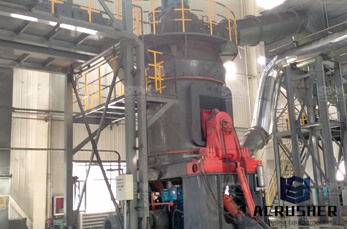
SUPERCRITICAL COAL FIRED POWER PLANT . Introduction – Energy, in general, and electricity in particular, plays a vital role in improving the standard of life everywhere. World has abundant proven reserves of coal and thus coalbased thermal power - plants dominate almost everywhere. The development of coal fired supercritical power plant ...

{{#Badges: CoalSwarm}}The Cumberland River Mine is an underground and small-scale surface coal mining operation in Wise County, ia, and Letcher County, Kentucky, owned by Arch Coal. It is part of Arch Coal's Central Appalachia mining region, which sold 14.6 million tons of coal in 2008.
WhatsApp)
 Online Chat
 Sales Hotline